Why Menopause belongs in the community
Maybe it began with waking up at 3 a.m., exhausted but unable to fall back asleep. Maybe you walked into a room and forgot why you were there, lost your train of thought mid-sentence or struggled to find a familiar word. Perhaps your patience became shorter, your body felt unfamiliar or the responsibilities you once managed with ease suddenly felt heavier. You may have wondered, “What is wrong with me?”
So you blamed stress, your schedule, your relationship or your age. Maybe you blamed yourself. You kept going because that is what women have been taught to do. You cared for your family, showed up at work and tried not to let anyone see how unlike yourself you felt.
What you may not have known is that these changes can be part of perimenopause, the transitional years leading up to menopause. For generations, menopause has been reduced to hot flashes and the end of a menstrual cycle. Women were expected to endure it quietly, often without the information or support needed to understand their own bodies.
Menopause can affect nearly every part of a woman’s life
Including her sleep, mood, memory, energy, confidence, relationships and sexual health. When no one has prepared her, the experience can feel lonely and frightening. She may visit multiple healthcare providers and receive separate answers for symptoms that feel connected. She may hear that everything looks “normal” when she knows she does not feel like herself. Eventually, she may question whether anyone will believe her.
For women facing language barriers, limited access to care or cultural expectations to care for everyone else first, finding answers can be even more difficult. Information may exist, but that does not mean it feels accessible, trustworthy or relevant to her life. This is why menopause belongs in the community.
Women need credible education, compassionate healthcare and places where they can ask honest questions without embarrassment. They need their partners and families to understand what they may be experiencing. Most of all, they need to know they are not broken, failing or alone.
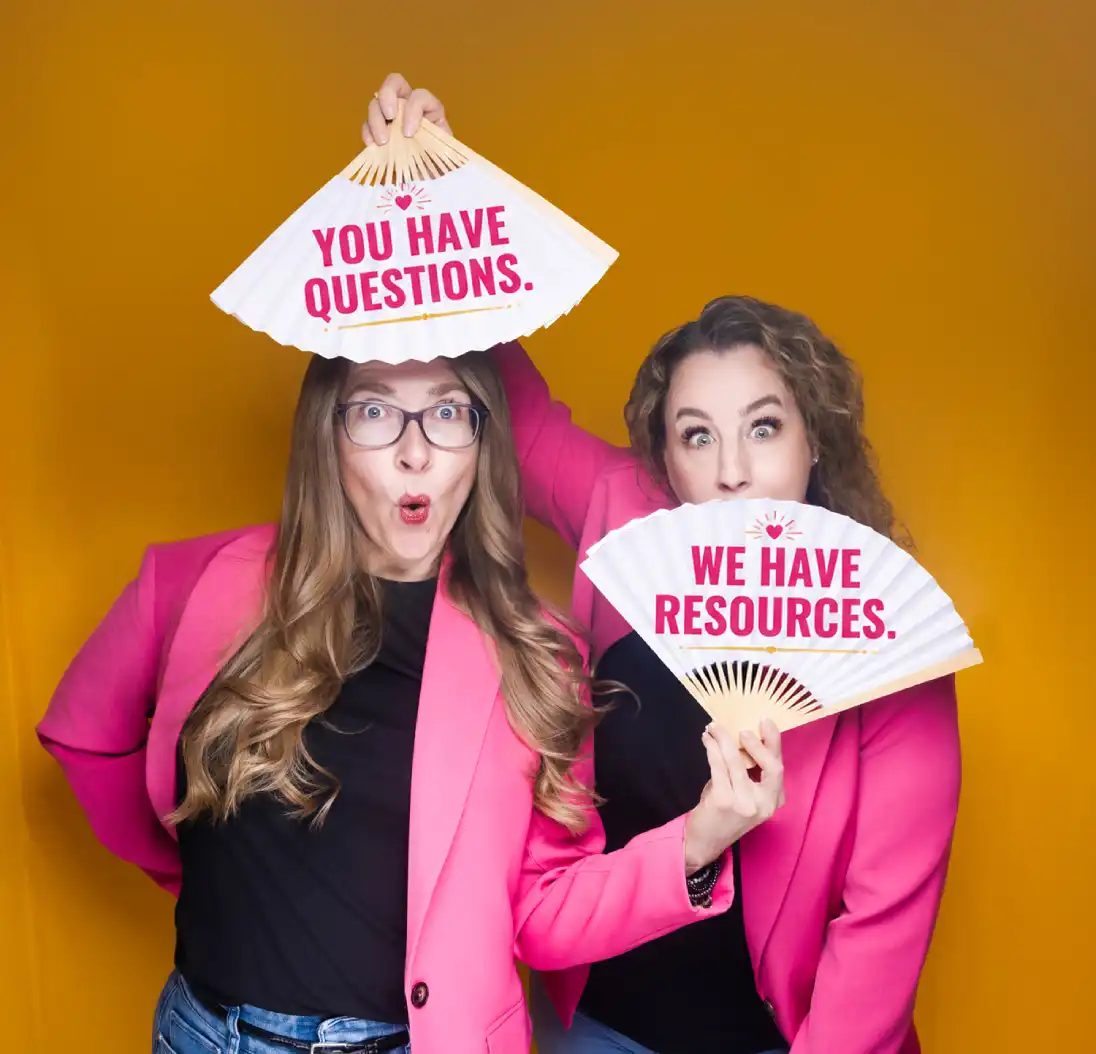
That need inspired the Las Vegas Menopause Event, where women, healthcare providers, experts, partners and loved ones will gather for a day of education and connection. Together, they will have conversations many women wish someone had started years earlier. The event represents a shift from silence to conversation, from confusion to understanding and from dismissing women’s experiences to empowering them to advocate for their health.
Menopause does not affect one woman in isolation
It reaches into marriages, families, friendships and workplaces. When we understand what a woman may be moving through, we can meet her with compassion and help her feel less alone. Start the conversation with your mother, sister, daughter, partner or friend. Ask what this chapter has felt like for her, share what you are learning and believe her when she says something has changed.
If you recognized yourself in these words, let this be the reminder you needed: Nothing is wrong with you. You deserve answers. You deserve support. You were never meant to navigate this alone.
The Las Vegas Menopause Event will take place October 17 from 10 a.m. to 5 p.m. Early bird tickets start at $10. For details, visit MenopauseLV.com.
(*) Jessica WAUGH. Certified Menopause Specialist and CoFounder of the Las Vegas Menopause Event